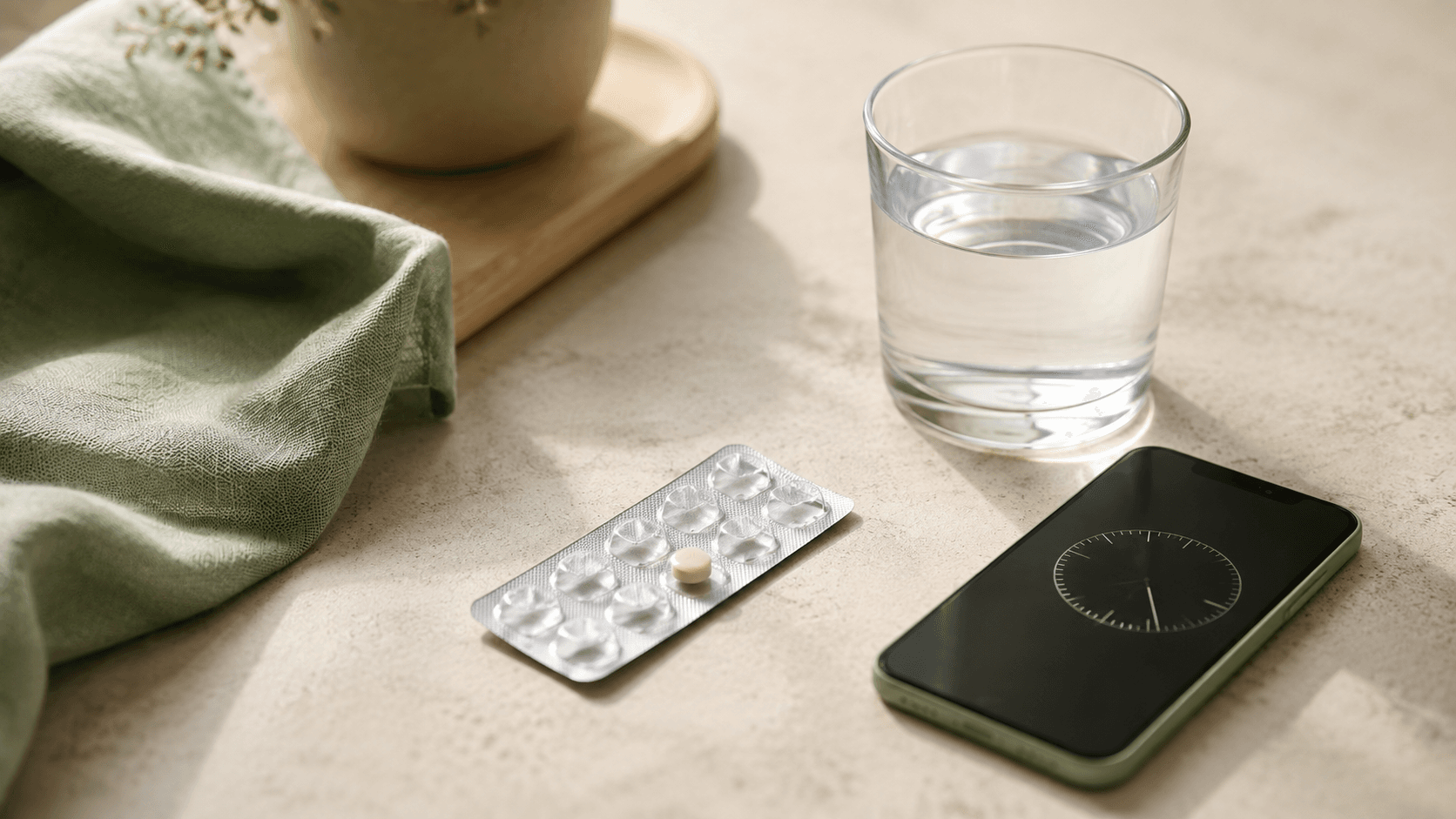
If a condom broke or contraception was missed, emergency contraception can still prevent a pregnancy — but timing matters, and there is one thing about Korea worth knowing in advance: the morning-after pill here needs a prescription. Here is how it works, how fast to act, and how to get it discreetly and in English.
Contraception fails sometimes — a condom breaks, a pill is missed, something goes wrong. Emergency contraception exists exactly for this, and it works well when used promptly. The one thing worth knowing before you are in that situation: in Korea, the morning-after pill needs a prescription, so the fastest path is knowing where to go. Here is how it works for foreign residents.
What emergency contraception is — and isn't
Emergency contraception is a way to prevent a pregnancy after unprotected sex — by delaying ovulation. It is not the same as an abortion pill and does not affect an established pregnancy; it simply lowers the chance of becoming pregnant in the first place. It is a normal, responsible thing to use when you need it, and it is used more often than most people admit.
The key thing in Korea: you need a prescription
This surprises many newcomers. In some countries the morning-after pill sits on the pharmacy shelf; in Korea it requires a doctor's prescription. Practically, that means a quick visit to a clinic, where a doctor can assess and prescribe it — usually the same day, with no referral needed. Bring your Alien Registration Card (ARC) if you have it.
The upside of the prescription route is that you also get a moment to ask questions — which option is right, what to expect, and what to do next.
How fast you need to act
Timing is the single most important factor: sooner is more effective.
| Option | Timeframe | Notes |
|---|---|---|
| Levonorgestrel | Within 72 hours | The common morning-after pill; most effective earlier |
| Ulipristal | Up to 120 hours | A prescription option effective for a longer window |
Because effectiveness falls the longer you wait, it is worth sorting the prescription quickly rather than leaving it to the next day. If you are outside these windows, a doctor can still advise you on options.
What to expect after taking it
Most people have no serious side effects. Some feel mild nausea, tiredness, or breast tenderness for a day or two, and your next period may come a little earlier or later than usual. Light spotting in the days afterward is common and not a concern on its own. The one thing to watch: if your period is more than a week late, take a pregnancy test to be sure — emergency contraception lowers the risk of pregnancy but does not guarantee it, so confirming is the safe step.
Getting it discreetly and in English
This is a moment when you want things handled quickly, privately, and without having to search for vocabulary. A clinic set up for international patients treats it as the routine request it is: a short consultation, the prescription, and clear instructions — all in English. Emergency contraception is generally self-pay rather than covered by insurance, and a clinic can tell you the cost before you proceed.
After emergency contraception: next steps
Emergency contraception is a backup, not a plan — and using it is a good prompt to think about what comes next. It is worth considering regular contraception that fits your life — from the daily pill to a longer-acting IUD — and, if there is any chance of infection from unprotected sex, an STI check. Our guide to birth control in Korea covers the ongoing options, and our guide to STI testing covers getting checked.
At Yoonho, all of this — the prescription now, and contraception or testing afterward — is handled with full English support. See our clinics or message us on WhatsApp or KakaoTalk.
Common questions
Can I buy the morning-after pill over the counter in Korea?
No. In Korea, the standard emergency contraceptive pill requires a doctor's prescription — it is not sold over the counter at pharmacies without one. That means the fastest route is a quick clinic visit, where a doctor can prescribe it the same day. No referral is needed.
How quickly do I need to take it?
As soon as possible — sooner is more effective. The common levonorgestrel pill is used within 72 hours of unprotected sex, and another option (ulipristal) can be used up to 120 hours. Because effectiveness drops with time, it is worth arranging the prescription quickly rather than waiting.
Is it covered by insurance?
Emergency contraception is generally treated as elective, so it is usually paid out of pocket rather than covered by National Health Insurance. The consultation and the medication are typically self-pay; a clinic can tell you the cost up front.
Is it confidential?
Yes. The visit and prescription are private. A clinic used to international patients will handle it discreetly and without judgment — it is a routine request.
Can I get it in English?
Yes. At Yoonho, an English-speaking team can handle the consultation and prescription quickly, and talk through ongoing contraception if you want to.
Ask about General Gynecology
Our English-speaking team in Seoul can talk through your situation and what a visit would involve. No referral needed.
Medical references
- ACOG. Emergency contraception
- World Health Organization. Family planning / contraception methods
This guide is general information for foreign residents in Korea, not medical advice. Coverage, costs, and treatment depend on your individual case — please confirm details with the clinic and your insurer.